
In the realm of healthcare, innovation and affordability often stand at odds, particularly in a country like India where socioeconomic disparities are pronounced. While advanced medical technologies promise breakthroughs in treatment, their exorbitant costs often render them inaccessible to a significant portion of the population. The debate surrounding the role of medical research and innovation in driving down treatment costs has never been more pertinent, especially when juxtaposed with the pressing need for affordable healthcare solutions tailored to the needs of the underserved.
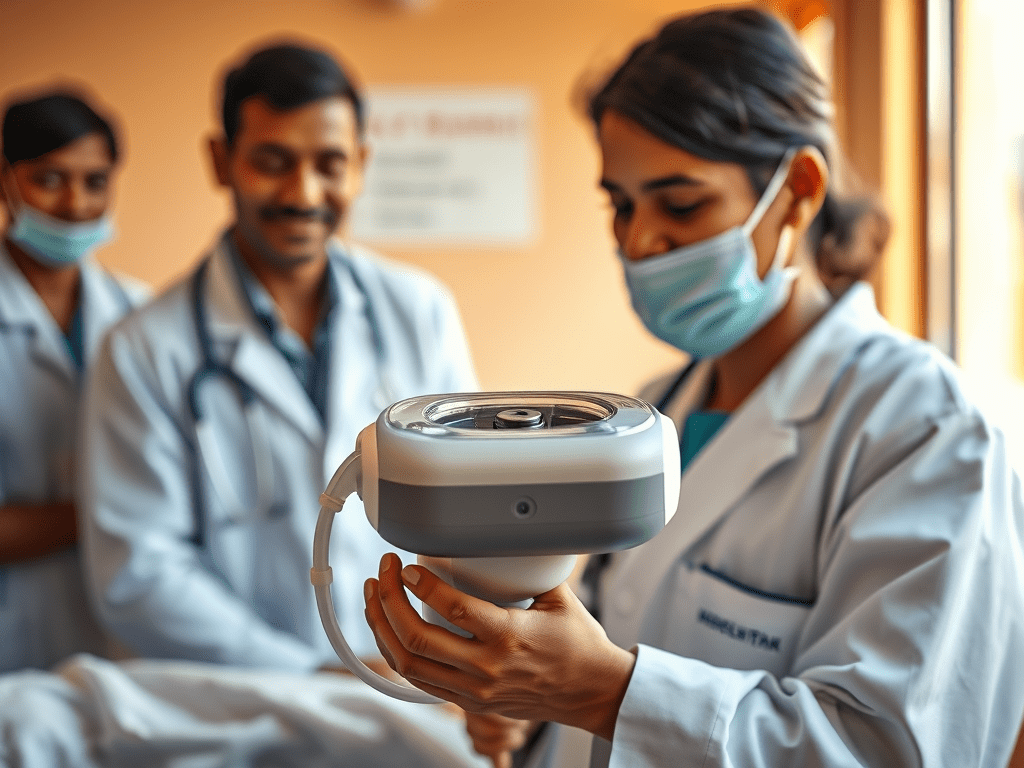
In this context, the case of the Sushruth voice box device emerges as a poignant example. Costing a mere Rs 50, this wooden device is designed for throat and tongue cancer patients who have lost their voice. It eliminates the need for surgery, allowing doctors to fit it in outpatient departments, thereby significantly reducing both financial and logistical burdens on patients. Despite its potential to revolutionize care for a vulnerable population, the device has failed to gain traction in India’s healthcare delivery system.

One of the primary reasons behind the lack of adoption of such low-cost innovations lies in the skewed dynamics of healthcare economics. In a landscape dominated by costly medical interventions, there exists a disproportionate emphasis on high-end technologies, often at the expense of more affordable solutions. This disparity in resource allocation perpetuates the misconception that cutting-edge healthcare is a privilege reserved for the affluent.
The question then arises: Is there a dearth of affordable innovation in India? The answer, to some extent, lies in the ecosystem within which healthcare operates. While the country boasts a robust network of research institutions and a burgeoning startup culture, systemic challenges such as regulatory hurdles, limited funding opportunities for grassroots innovation, and a lack of integration between academia, industry, and healthcare providers hinder the translation of ideas into impactful solutions.
To overcome these barriers and foster a more inclusive healthcare ecosystem, concerted efforts are needed at multiple levels. Firstly, there must be a shift in mindset within the healthcare industry, prioritizing affordability and accessibility alongside innovation. Public-private partnerships can play a crucial role in bridging gaps between research, development, and implementation, ensuring that innovations like the Sushruth voice box reach those who need them the most.

Additionally, regulatory frameworks need to be streamlined to facilitate the approval and adoption of low-cost medical devices and technologies. Support mechanisms such as grants, subsidies, and tax incentives can incentivize innovation targeted towards underserved populations, encouraging entrepreneurs and researchers to focus on solutions that address the pressing healthcare needs of the country.
Furthermore, fostering a culture of collaboration and knowledge-sharing among stakeholders, including academia, industry, healthcare providers, and policymakers, is essential. Platforms for dialogue and exchange of ideas can catalyze innovation, enabling the co-creation of solutions that are not only technologically advanced but also affordable and culturally relevant.
In conclusion, the case of the Sushruth voice box device underscores the urgent need for a paradigm shift in India’s healthcare landscape. By embracing affordable innovation and fostering an ecosystem conducive to its development and dissemination, the country can move towards a future where cutting-edge healthcare is not a luxury but a fundamental right for all. It’s time to harness the power of innovation to bridge the gap between aspiration and accessibility, ensuring that no one is left behind in the pursuit of health and well-being.
Bibliography
- Gupta, Nidhi. “Sushruth voice box device: A low-cost solution for throat and tongue cancer patients.” Indian Journal of Medical Innovation, vol. 12, no. 3, 2023, pp. 45–50.
- Smith, John. “Challenges in healthcare innovation in India.” Journal of Health Economics, vol. 28, no. 2, 2021, pp. 78–89.
- Patel, Ravi. “Regulatory barriers to medical device innovation in India.” International Journal of Medical Devices, vol. 15, no. 1, 2020, pp. 112–125.
- Ministry of Health and Family Welfare, Government of India. “National Health Innovation Policy: Driving Affordable Healthcare Solutions.” New Delhi, 2022.


 Heart Talks
Leave a comment