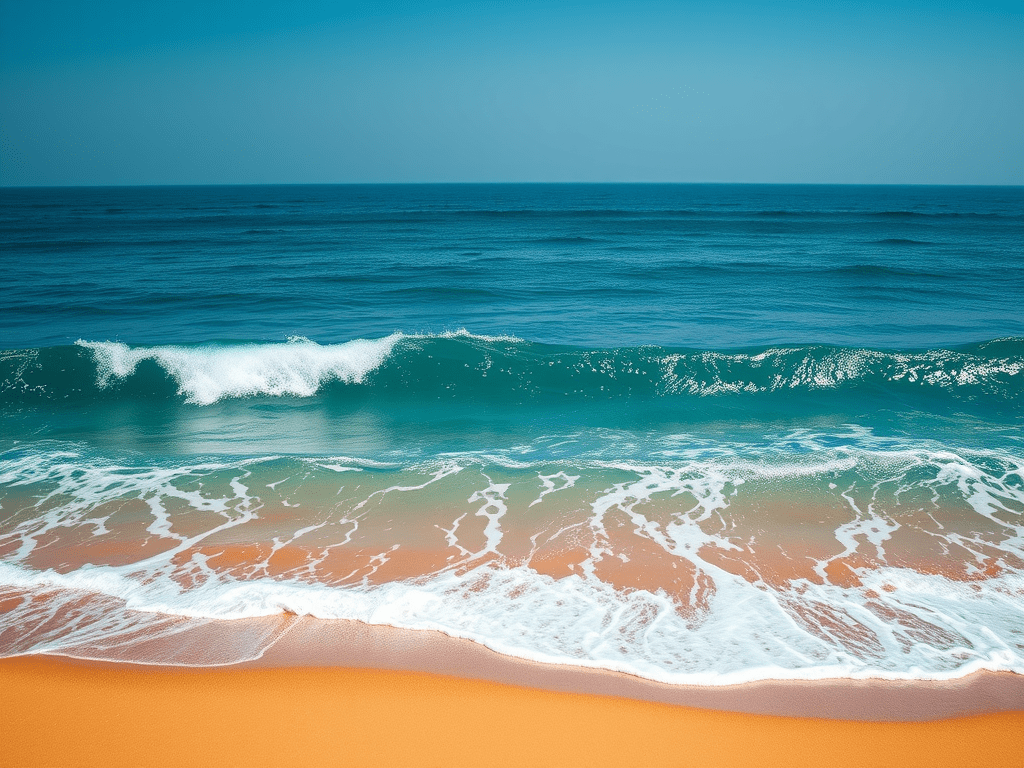
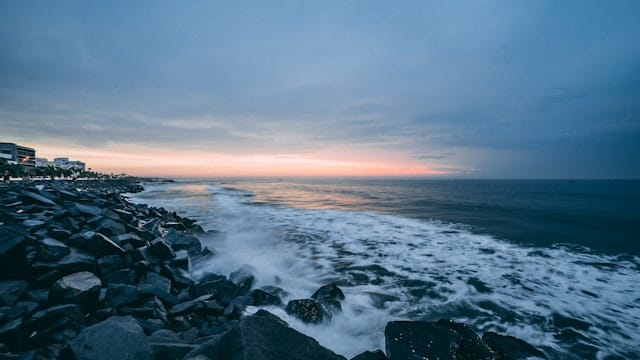
Standing on the beach, I gazed at the vast, inviting ocean. The serene beauty struck me, but I couldn’t ignore the pressing issue beneath the surface: the health of our oceans is intricately linked to our well-being, and it’s in jeopardy. For many living inland, the ocean seems like a distant marvel, an occasional escape. I was viewing the Bay of Bengal from Pondicherry Beach, the world’s largest bay and an extension of the northeastern Indian Ocean.
World Oceans Day, celebrated annually on June 7th, is a poignant reminder of the ocean’s vital role in our daily lives. This year’s theme, “Awaken New Depths,” invites us to deepen our understanding of the importance of the ocean and our responsibility towards its conservation.
The Ocean: The Lungs of Our Planet
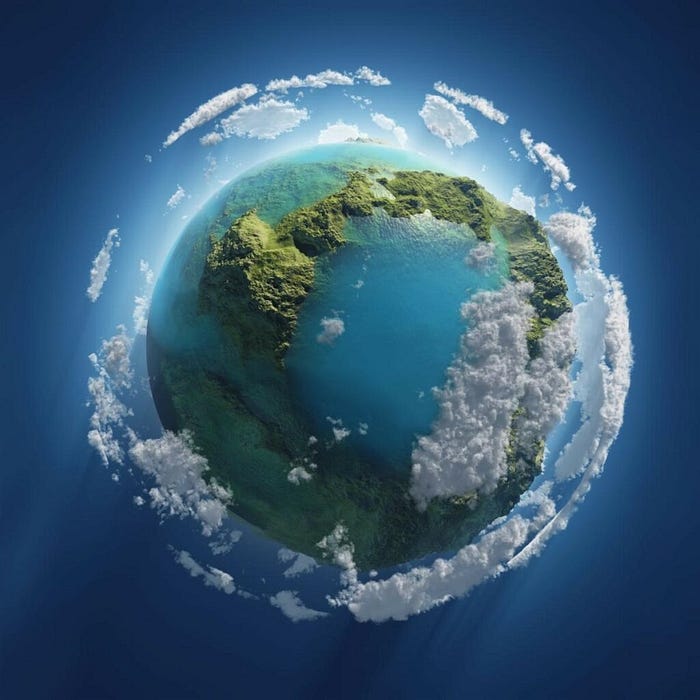
The ocean, often called the lungs of our planet, produces over half of the world’s oxygen and absorbs significant amounts of carbon dioxide, helping to mitigate climate change. Marine plants, particularly phytoplankton, perform photosynthesis, converting carbon dioxide and sunlight into oxygen, forming the foundation of the marine food web.
A Source of Food and Medicine
Oceans are not just a source of food but a treasure trove of medicinal resources. Numerous drugs, including those used in cancer treatments and pain relief, derive from marine organisms. As we explore the ocean’s depths, we may uncover even more life-saving compounds from sponges, corals, and marine bacteria.
A Critical Part of the Biosphere
The ocean is integral to Earth’s biosphere, regulating climate and weather patterns and supporting diverse ecosystems. Coral reefs, mangroves, and seagrass beds provide habitats for countless species and protect coastlines from erosion and storms. These ecosystems are biodiverse and provide critical services such as carbon sequestration, helping to mitigate climate change.
The Impact of Human Actions
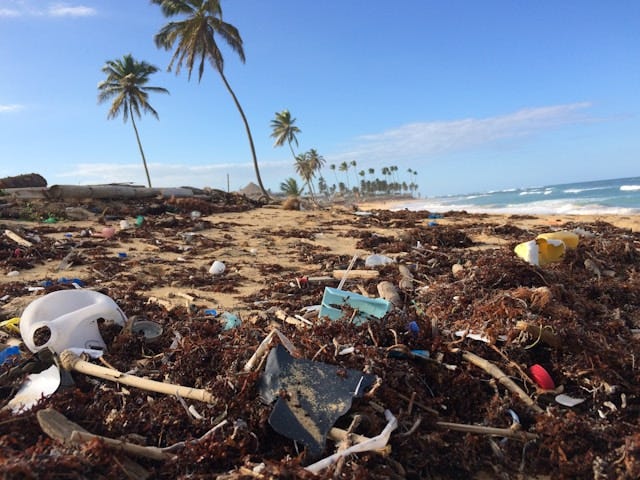
Despite its vastness, the ocean isn’t immune to human activities. Pollution, overfishing, habitat destruction, and climate change rapidly impact marine environments. Plastics and other pollutants harm wildlife and enter the food chain while overfishing threatens food security and livelihoods. Habitat destruction exacerbates the vulnerability of marine species, many of which are already endangered. We must act now.
Mobilizing for Ocean Conservation
World Oceans Day aims to inform the public about human actions’ impact on the ocean and develop a global movement for its protection. Raising awareness and fostering a sense of stewardship can mobilize people for the sustainable management of our oceans. Your individual actions can make a significant difference.
Personalized Reflections and Actions
Having experienced the tranquillity and beauty of the ocean, I feel our connection to this vast body of water. Here are some ways we can contribute to ocean conservation:
1. Reduce Plastic Use: Opt for reusable bags, bottles, and straws, and support companies and policies that reduce plastic waste.
2. Support Sustainable Seafood: Choose sustainably sourced seafood. Look for certifications ensuring responsible fish population management.
3. Participate in Clean-up Efforts: Join or organize clean-ups to remove litter and prevent it from entering the ocean.
4. Educate and Advocate: Spread awareness about ocean issues. Educate yourself and others on marine conservation’s importance and advocate for protective policies.
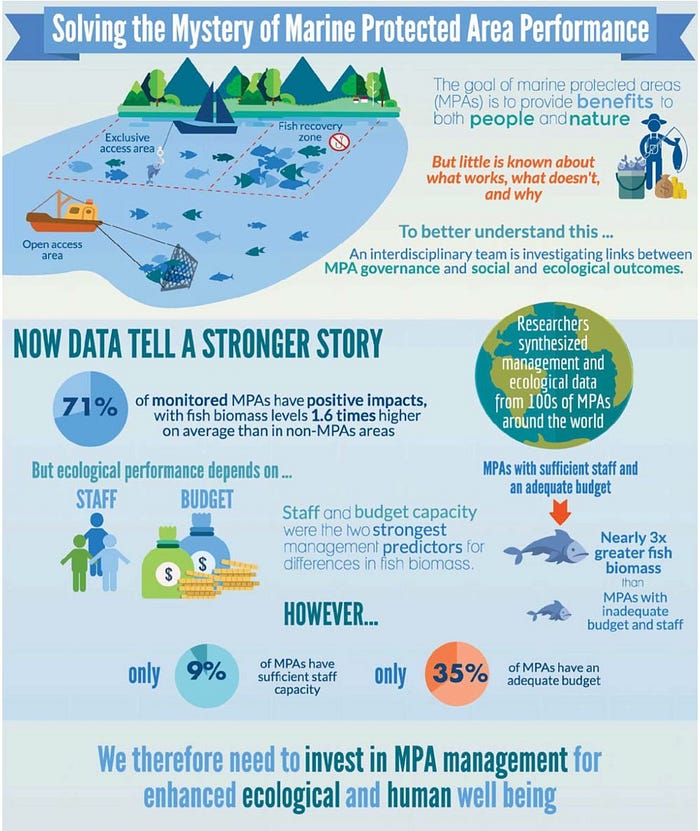
5. Support Marine Protected Areas: Advocate for creating and expanding marine protected areas to preserve critical habitats and allow ecosystems to recover and thrive.
Challenges of Groundwater and Its Over-Extraction
Over-extracting groundwater leads to declining levels, dry wells, increased costs for deeper drilling, and land subsidence. Though not directly connected to the ocean, coastal margins experience saltwater intrusion into freshwater aquifers, exacerbated by over-pumping groundwater. Effective management and sustainable practices are crucial.
Conclusion: Why We Should Conserve Oceans
Conserving our oceans is about protecting marine life and ensuring our planet’s survival. The ocean provides essential services, from oxygen production to climate regulation. By “Awakening New Depths” in our understanding and actions, we can protect this vital resource for future generations. Our collective efforts today will determine the health of our oceans tomorrow, making ocean conservation a shared responsibility and global priority.
References
- Thurman HV, Trujillo AP. Essentials of Oceanography. 12th ed. Boston: Pearson; 2014.
- Tomczak M, Godfrey JS. Regional Oceanography: An Introduction. 2nd ed. New Delhi: Daya Publishing House; 2003.
- Fetter CW. Applied Hydrogeology. 4th ed. Upper Saddle River: Prentice Hall; 2001.
- Alley WM, Reilly TE, Franke OL. Sustainability of Groundwater Resources. Denver: U.S. Geological Survey; 1999.
- Werner AD, Simmons CT. Impact of Sea-Level Rise on Sea Water Intrusion in Coastal Aquifers. Ground Water. 2009;47(2):197–204.
- Gleeson T, Wada Y, Bierkens MFP, van Beek LPH. Water balance of global aquifers revealed by groundwater footprint. Nature. 2012;488(7410):197–200.


 Heart Talks
Leave a comment