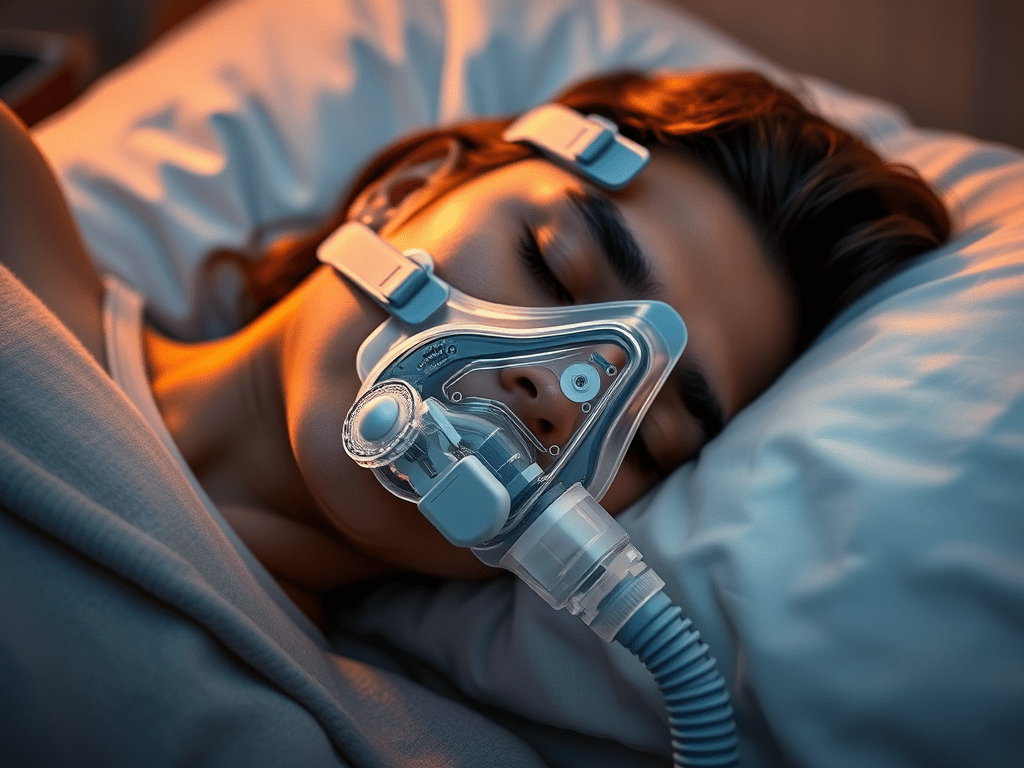
Case Examples: A Dire Warning
Mr Rajanna, a 65-year-old patient, arrived at the hospital in critical condition. Although on four antihypertensive medications, his blood pressure was not controlled and he presented with accelerated hypertension and pulmonary edema. Upon further investigation, Mr. Rajanna was found to suffer from severe sleep apnea, with a high Apnea-Hypopnea Index (AHI). This diagnosis shed light on his resistant hypertension and recurrent cardiovascular events, underscoring the often overlooked link between sleep quality and heart health.
In another striking example, a 35-year-old IT professional, Mr. Suresh, was admitted with severe symptoms including accelerated hypertension, renal dysfunction, and left ventricular (LV) dysfunction with an LV clot. Similarly to Rajanna, Suresh had severe sleep apnea, evident from her high AHI score on sleep tests. These cases illustrate the profound impact that sleep disorders can have on cardiovascular health, affecting individuals across a broad age spectrum.***
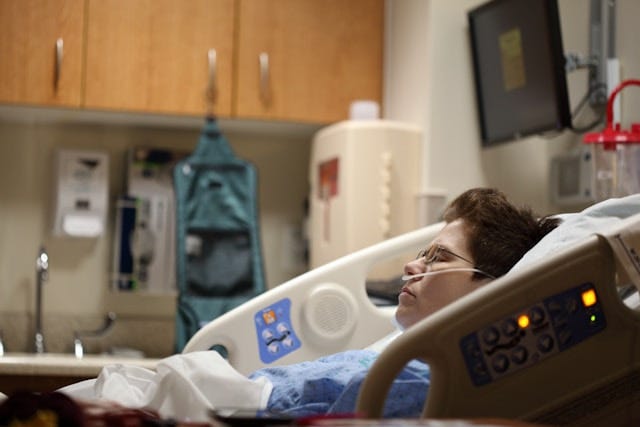
Understanding the Link Between Sleep and Heart Health
Extensive research has demonstrated that poor sleep quality and sleep disorders such as sleep apnea significantly elevate the risk of cardiovascular diseases. Sleep apnea, characterized by repeated interruptions in breathing during sleep, leads to intermittent hypoxia, sympathetic nervous system activation, and increased blood pressure, all of which contribute to cardiovascular strain.
Both short and long sleep durations have been associated with a higher risk of coronary artery disease (CAD). A study by Javaheri et al. (2017) highlighted that individuals who sleep less than 6 hours or more than 9 hours a night have an increased risk of CAD. These findings emphasize the importance of maintaining a balanced sleep duration for optimal heart health.

Recognising Sleep Apnea: Symptoms and signs
Public awareness of sleep apnea is crucial for early detection and management. Common symptoms include loud snoring, observed episodes of cessation of breathing during sleep, abrupt awakenings accompanied by gasping or choking, and excessive daytime sleepiness. Other signs may include morning headaches, difficulty in concentration, mood changes, and high blood pressure. Recognizing these symptoms can prompt individuals to seek medical advice and undergo sleep studies for a definitive diagnosis.
Evidence-Based Treatments for Sleep Apnea
Treatment of sleep apnea effectively can significantly improve cardiovascular outcomes. Continuous Positive Airway Pressure (CPAP) therapy remains the gold standard for treating obstructive sleep apnea (OSA). CPAP works by providing a steady flow of air through a mask, keeping the airway open during sleep.
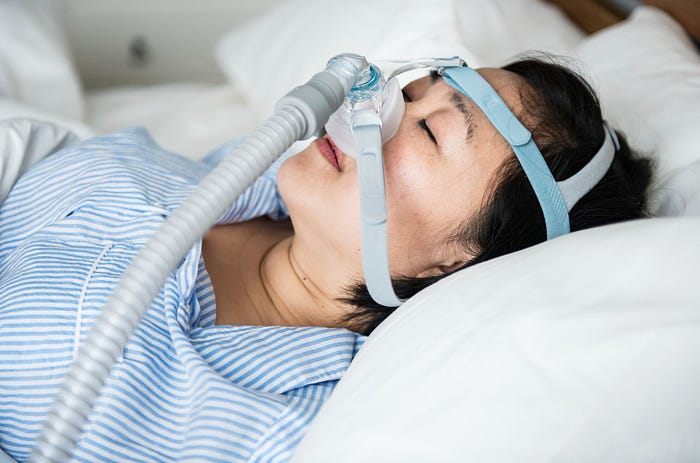
In addition to CPAP, other treatment options include lifestyle modifications such as weight loss, positional therapy, and avoiding alcohol and sedatives before bedtime. Oral appliances that reposition the lower jaw and tongue can also be beneficial for some patients with mild to moderate OSA. For severe cases, surgical interventions might be necessary.
Comprehensive Approach to Management
Managing cardiovascular health in patients with sleep apnea requires a comprehensive approach. This includes regular monitoring of blood pressure, lipid levels, and glucose levels, in addition to managing other risk factors such as smoking cessation and promoting physical activity. Multidisciplinary care involving cardiologists, sleep specialists, and primary care providers can optimise treatment outcomes.
The Broader Impact
The implications of untreated sleep disorders extend beyond individual health. Sleep apnea not only increases the risk of hypertension and heart disease but also affects overall quality of life, cognitive function, and productivity. It has significant socioeconomic impacts due to increased healthcare care costs and loss of productivity.

Conclusion
The cases of Mr Rajanna and Mr Suresh illustrate the critical intersection between sleep quality and heart health. Poor sleep, particularly sleep disorders like sleep apnea, can precipitate severe cardiovascular conditions. Recognising the symptoms of sleep apnea and seeking timely treatment can mitigate these risks. As research continues to illuminate the intricate links between sleep and cardiovascular health, it becomes increasingly clear that prioritising good sleep hygiene and managing sleep disorders are essential components of cardiovascular disease prevention and overall well-being.
References
- Javaheri, S., & Redline, S. (2017). Sleep, slow-wave sleep, and blood pressure. Current Hypertension Reports, 19(10), 85.
- Peppard, P. E., Young, T., Palta, M., & Skatrud, J. (2000). Prospective study of the association between sleep-disordered breathing and hypertension. New England Journal of Medicine, 342(19), 1378–1384.
- Somers, V. K., White, D. P., Amin, R., Abraham, W. T., Costa, F., Culebras, A., … & Young, T. (2008). Sleep apnea and cardiovascular disease: an American Heart Association/American College of Cardiology Foundation Scientific Statement. Circulation, 118(10), 1080–1111.
*** The names of the patients mentioned in this article have been changed to protect their identities.


 Heart Talks
Leave a comment