When Fantasy Meets Science
Looking back at my initial blog posts in 2019 titled “When Fantasy Dates Science,” I have now rewritten it to further explore the fascinating interplay between imagination and scientific discovery. This updated version, “When Fantasy Meets Science”, emphasizes how nurturing creativity can lead to groundbreaking innovations, as seen through the dreams and insights of renowned scientists.

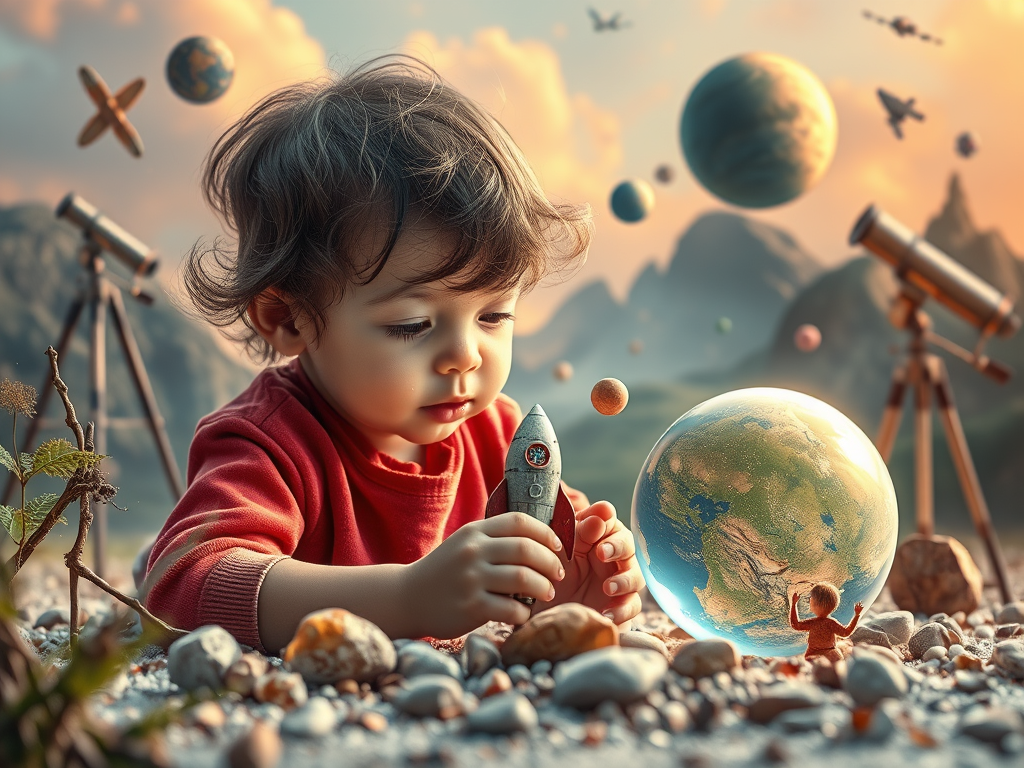
Our brains continuously absorb knowledge from observations, experiences, and reasoning as we grow. We learn through our senses, applying logical reasoning to keep our ideas within the boundaries of reality. However, children see the world differently. In their play, a stick can become a bazooka, a pebble can transform into granite, and they can summon all the Avengers to Earth to chase dementors to Krypton. Such is the power of a child’s imagination. The mind of a child is the perfect environment for fantasies to flourish.

The Power of Imagination
Imagination is not just a frivolous aspect of childhood; it is a critical component of human creativity and innovation. When fantasy meets science, it leads to groundbreaking ideas and inventions. Many scientific advancements started as fantasies, dreams that seemed impossible at first. Consider the following examples:
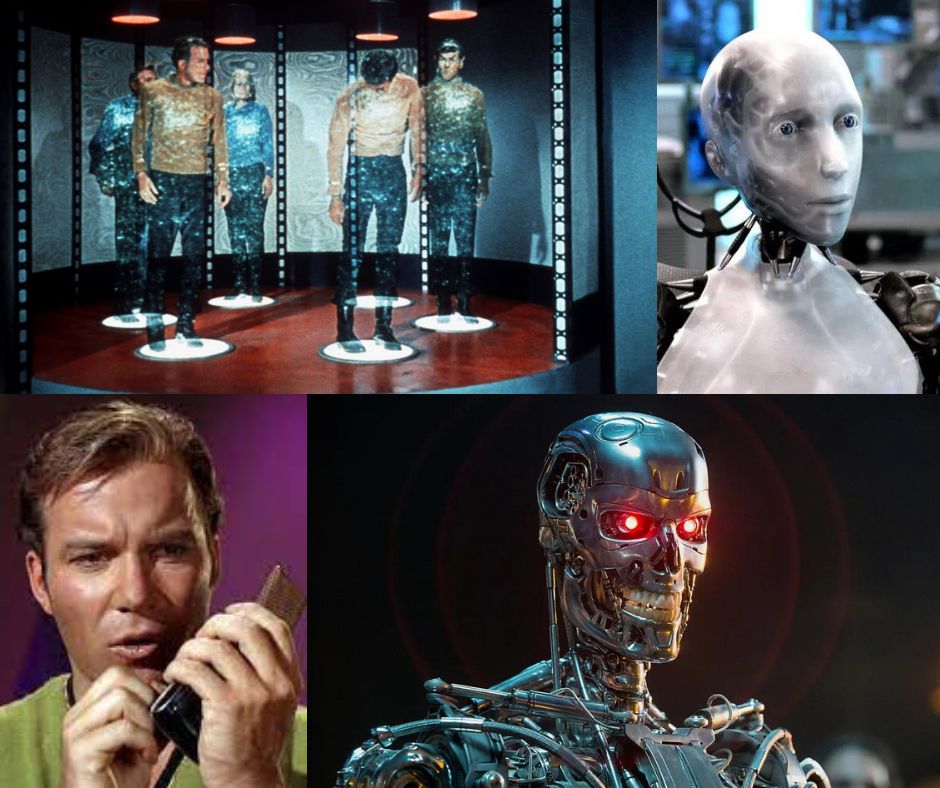
- Space Travel: Once a fantasy depicted in science fiction, it is now a reality with astronauts regularly visiting the International Space Station and missions planned to Mars.
- Artificial Intelligence: Imagined in countless science fiction stories, AI is now part of our everyday lives, from virtual assistants to sophisticated machine learning algorithms.
- Telecommunication: Communicating over long distances without physical travel was once a dream. Today, smartphones and the internet connect people worldwide instantly.
The Power of Imagination in Scientific Breakthroughs
Imagination is not just a frivolous aspect of childhood; it is a critical component of human creativity and innovation. Many scientific advancements started as fantasies, dreams that seemed impossible at first. Famous examples include:
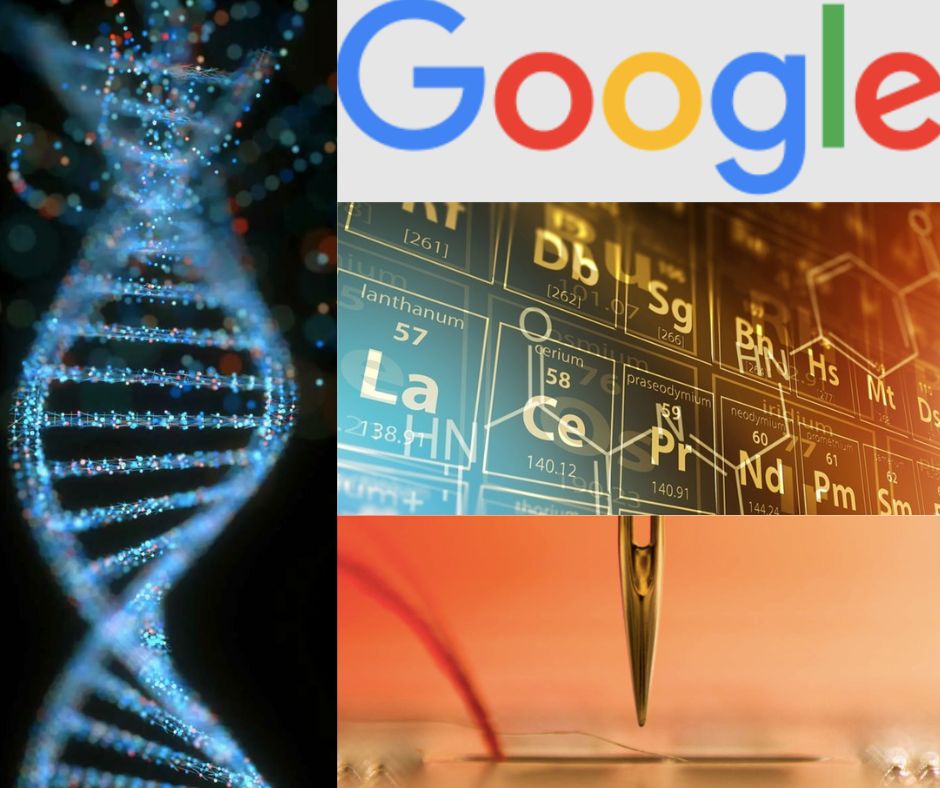
Dmitri Mendeleev and the Periodic Table: Russian chemist Dmitri Mendeleev developed the periodic table of elements after a dream. He had been struggling to organize the elements based on their properties. In his dream, he saw a table where all the elements fell into place as required, giving birth to the periodic table.
Larry Page and Google: Larry Page, co-founder of Google, got the idea of creating a search engine that could crawl and index the web while he was dreaming. This dream led to the creation of Google, revolutionizing the way we access information online.
James Watson and DNA: James Watson dreamt of a spiral staircase, which helped him visualize the double helix structure of DNA. This insight was crucial in understanding the molecular structure of DNA, a milestone in genetics.
Elias Howe and the Sewing Machine: Elias Howe, the inventor of the modern sewing machine, got the idea from a dream. In his dream, he was captured by a group of natives threatening him with spears with holes near their tips. When he woke up, he realized that the needle on his sewing machine should also have an eye near the tip, leading to his invention.
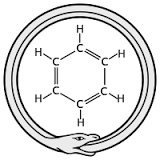
Friedrich August Kekulé, a prominent chemist, spoke of a daydream that led to a major scientific revelation. He envisioned a snake seizing its own tail, an ancient symbol known as the ouroboros, which inspired him to discover the ring shape of the benzene molecule.
These stories highlight the fascinating interplay between fantasy and science, showing that great ideas can emerge in the most unexpected ways.
The Role of Education and Learning
Education plays a crucial role in bridging fantasy and reality. We can nurture minds capable of turning dreams into reality by fostering creativity and encouraging imaginative thinking alongside rigorous scientific training. Interdisciplinary learning, which combines arts and sciences, can provide a holistic approach to problem-solving.
We must continue valuing and nurturing imagination as we look to the future. The next generation of scientists, engineers, and thinkers will be those who can dream beyond the current boundaries and use their knowledge to make those dreams a reality. Encouraging children to imagine boldly and think creatively can lead to a future where today’s fantasies become tomorrow’s breakthroughs.
Conclusion
While our logical reasoning confines us to the realm of reality, the unbounded imagination drives scientific innovation. The fascinating interplay between fantasy and science shows that great ideas can emerge in the most unexpected ways. Whether through daydreams, like Kekulé’s vision of the ouroboros, Larry Page’s dream of a search engine, James Watson’s dream of a spiral staircase, Elias Howe’s dream of the modern sewing machine, or Dmitri Mendeleev’s dream of the periodic table, these moments of insight have profoundly shaped our understanding of the world.
The blend of creativity and scientific inquiry continues to drive innovation and discovery, reminding us of the human mind’s limitless potential. By harnessing both, we can bring our wildest fantasies closer to reality, pushing the boundaries of what is possible.
I invite you to share your experiences where dreams or imaginative thoughts led to real-world innovations or breakthroughs. Let’s inspire each other by showcasing the power of creativity in driving scientific and technological advancements.
References and Bibliography
- Mendeleev D. The Principles of Chemistry. London: Longmans, Green and Co.; 1891.
- Page L, Brin S. The Anatomy of a Large-Scale Hypertextual Web Search Engine. Computer Networks and ISDN Systems. 1998;30(1-7):107-117.
- Watson JD, Crick FH. Molecular Structure of Nucleic Acids: A Structure for Deoxyribose Nucleic Acid. Nature. 1953;171(4356):737-738.
- Howe E. Improvement in Sewing-Machines. U.S. Patent 4,750. Issued September 10, 1846.


 Heart Talks
Leave a comment