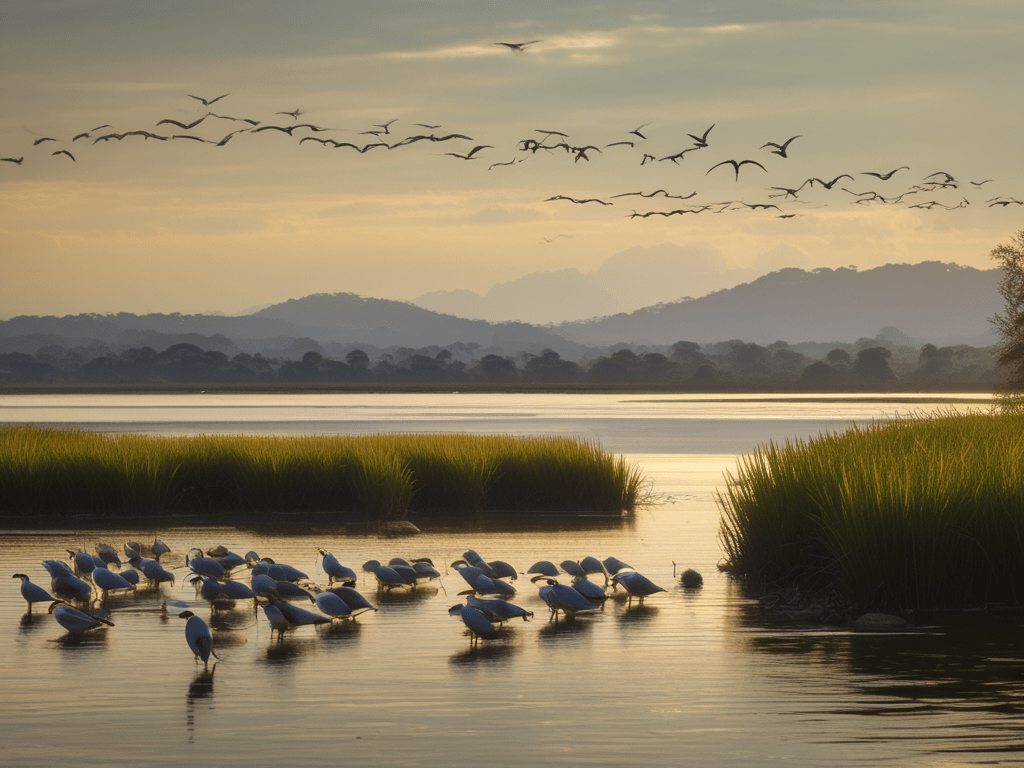
The Astonishing Journeys of Migratory Species: From Marasandra Lake to the World’s Greatest Migrations
Testing the Samsung S22
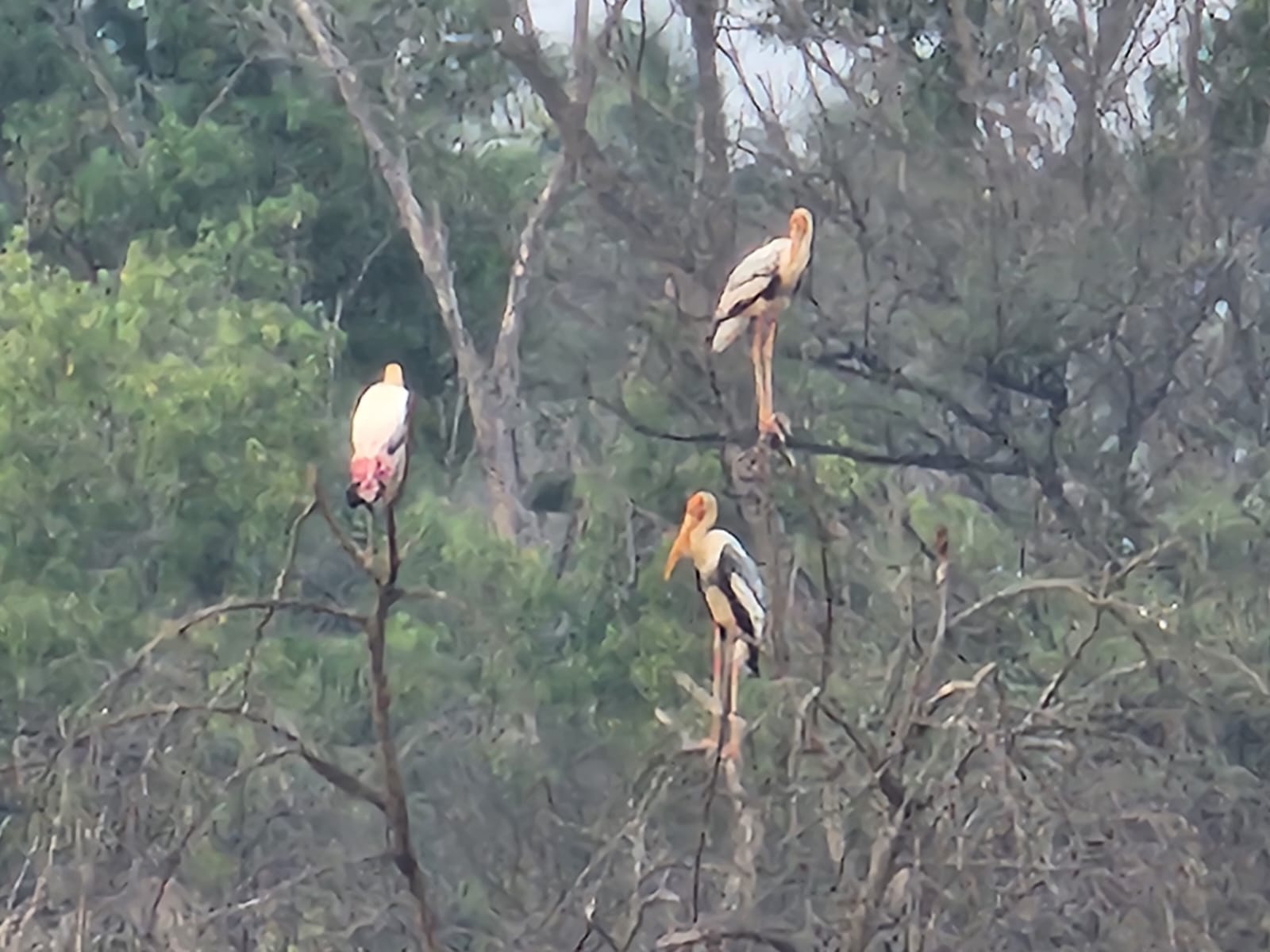
One sunny afternoon, I marvelled at the clarity of my new Samsung S22, which I had just upgraded from the Samsung Fold series. The photos were stunning, capturing details I never noticed before, thanks to the phone’s advanced post-photo processing and impressive digital magnification. Inspired, I decided to put my new phone to the test. A trip to the dome retreat (TDR) in Doddaballapur was the perfect opportunity. As I aimed my lens at distant objects, an idea sparked—why not capture the beauty of birds?

Marasandra Lake: A Bird Haven
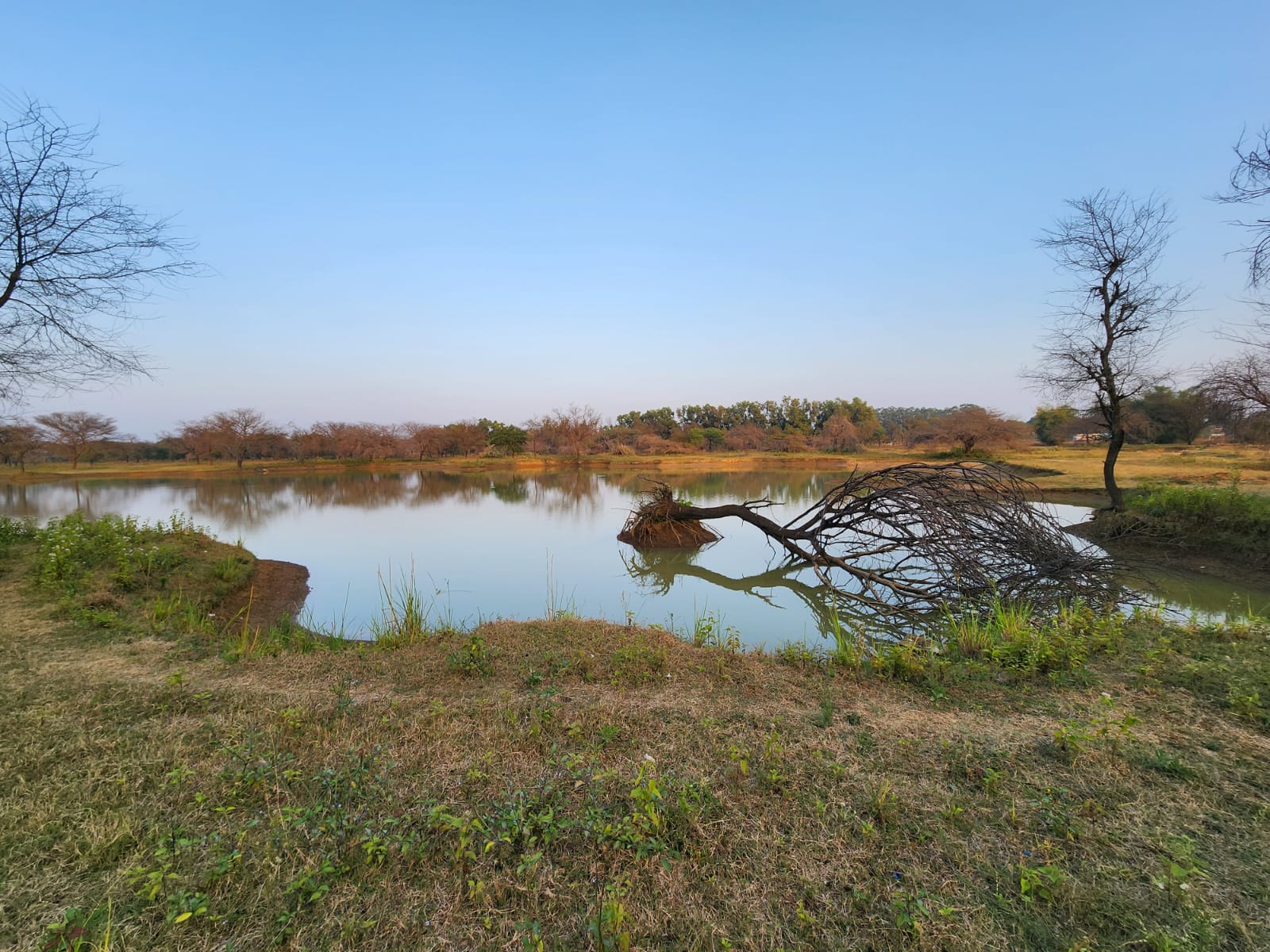
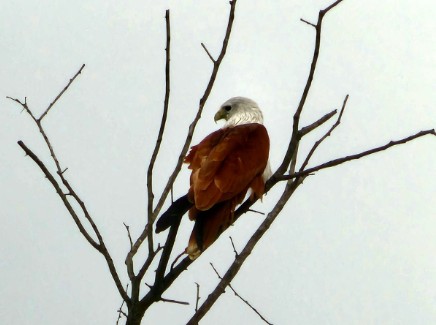
Excited, I called Raju and headed to our cherished backyard, Marasandra Lake. The lake, often parched during summer, now held a glimmer of water thanks to recent showers. Over the years, we have observed a fascinating pattern. It transformed into a bird haven every two weeks or so, especially when the lake had even a hint of water. To our delight, we arrived at the lake, which was teeming with life. Birds of all sizes had flocked to the water’s edge. Some stayed for two or three days, while others lingered for a week, turning the lakeside into a bustling avian retreat before disappearing again.
The Potential of Well-Maintained Lakes
As I snapped photos of these graceful creatures, it struck me how every well-maintained lake could offer such a bird sanctuary, much like the renowned bird sanctuaries we revere, such as Ranganathittu. These sanctuaries are celebrated for their natural habitats, but our humble Marasandra Lake, with a bit of care, could also become a cherished retreat for countless birds. This experience reinforced a belief I held dearly—that birds should be admired not only in famed sanctuaries but also in every trim, well-kept lake and pond. These places, with their unique charm, have the potential to offer refuge to our feathered friends, making every birdwatching experience truly special.
Reflecting on Past Adventures
Reflecting on this, I recalled days spent on trips with friends and fellow birdwatchers. Among them was Smitha, an enthusiastic bird watcher. On one such trip, Kiran and I wondered what Smitha would do with her binoculars, seeing the sky at 180 degrees. I saw similar bird enthusiasm in other nature photographers, and over time, I realized my ignorance and became more aware of the importance of these experiences. This awareness extended beyond our backyard to the grand migrations that occur worldwide, showcasing nature’s incredible spectacles.
Awareness of Global Migrations
This awareness extended beyond our backyard to the grand migrations that occur worldwide, showcasing nature’s incredible spectacles. The more I learned about these migrations, the more I appreciated the interconnectedness of ecosystems and the vital role that each species plays in maintaining ecological balance. This newfound understanding deepened my appreciation for the natural world and inspired me to advocate for the protection and preservation of these critical habitats.
Marveling at Marasandra Lake
While marveling at the birds at Marasandra Lake, I couldn’t help but be awestruck by the incredible journeys some of these creatures undertake. Consider the Arctic Tern, which embarks on an astonishing 44,000-mile round-trip migration from Arctic breeding grounds to Antarctic wintering grounds, covering both polar regions. This remarkable feat underscores the global nature of migratory patterns and the vital importance of protecting diverse habitats across the planet.
Incredible Bird Migrations
Another awe-inspiring migration is that of the Bar-tailed Godwit, flying nonstop for around 7,000 miles from Alaska to New Zealand and eastern Australia. This journey over the vast Pacific Ocean highlights the critical role of coastal stopover sites for resting and refueling, necessitating international conservation efforts. Even the tiny Monarch butterfly makes an incredible journey, traveling up to 3,000 miles from North America to central Mexico. Their survival depends on the preservation of habitats in both breeding and wintering grounds, illustrating the need for cross-border conservation initiatives.

Bar-tailed Godwit: Nonstop 7,000-Mile Flight Across the Pacific (courtesy :Andreas Trepte, www.avi-fauna.info )

Epic Marine Migrations
It’s not just birds that undertake epic migrations. The Great White Shark migrates between the coasts of California and Hawaii, with some traveling as far as Australia and South Africa. This journey emphasizes the need for international marine protected areas to ensure the safety of these apex predators. Whale Sharks also traverse vast distances across tropical and subtropical oceans, including the Gulf of Mexico, the Philippines, and the coast of Belize. Conserving marine biodiversity hotspots, which serve as critical feeding and breeding grounds for whale sharks, is essential.
The Tragedy of the Jaws Effect
Unfortunately, the Jaws effect has tragically led to a 70% decline in oceanic shark populations since the movie’s release. Over 100 million sharks are killed every year for food and sport, with one in three species now threatened with extinction. Peter Benchley, the author of Jaws, later regretted writing the book, acknowledging, “Knowing what I know now, I could never write that book today. Sharks don’t target human beings, and they certainly don’t hold grudges.” As apex predators, sharks help maintain the ocean’s delicate ecosystem balance by keeping their prey’s populations in check. Some studies suggest that the conservation of marine megafauna, including sharks, could contribute to the sequestration of up to 30% of the ocean’s carbon. This figure includes the combined effects of various marine species and their ecological roles.

Iconic Land Migrations
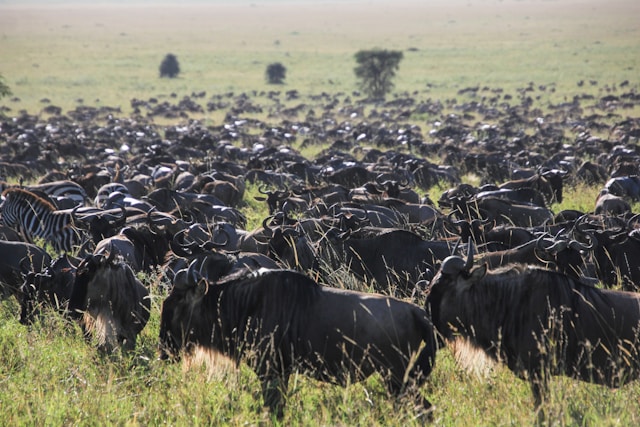
On land, the iconic migration of wildebeest from the Serengeti in Tanzania to the Masai Mara in Kenya is a breathtaking spectacle. This journey, spanning approximately 1,200 miles, is crucial for nutrient cycling and maintaining ecological balance in the Serengeti-Mara ecosystem. Similarly, Caribou undertake a challenging migration from Alaska and northern Canada to their calving grounds in the Arctic tundra. Protecting large, connected landscapes to support wide-ranging migratory species is essential for their survival.
Critical Habitats and Conservation Corridors
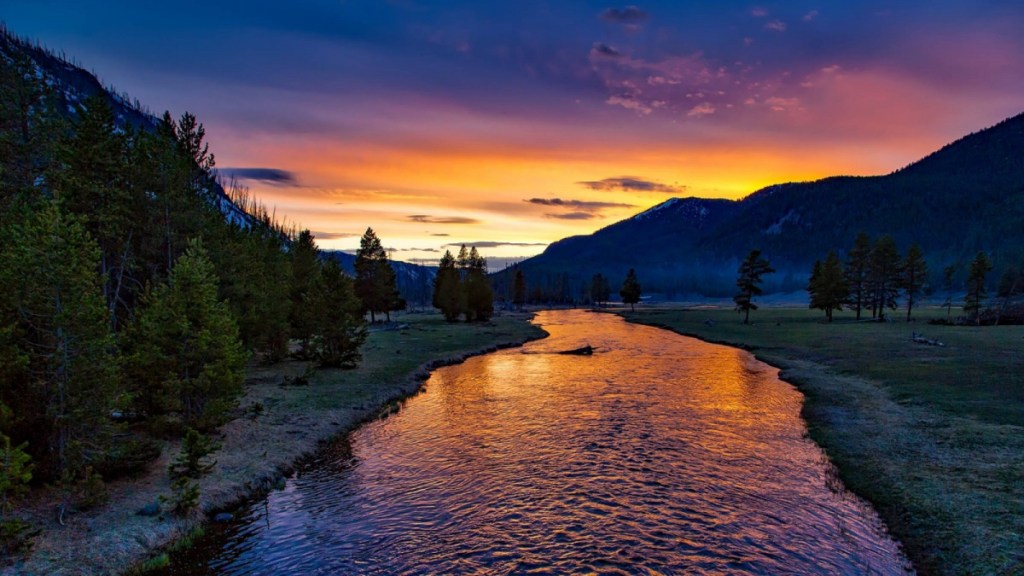
The significance of these migrations extends to critical habitats worldwide, such as the Yellowstone to Yukon (Y2Y) Corridor, supporting species like grizzly bears, wolves, and caribou. The East Asian-Australasian Flyway is a major route for millions of shorebirds, stretching from the Arctic through East and Southeast Asia to Australia and New Zealand. Protecting key wetlands along this flyway is crucial for the survival of many bird species. The Coral Triangle, encompassing marine areas of Indonesia, Malaysia, Papua New Guinea, the Philippines, Solomon Islands, and Timor-Leste, is vital for conserving marine biodiversity, including migratory species like whale sharks and sea turtles.
Anecdotes and Local Conservation Efforts
In India, local conservationists have been actively working to preserve migratory bird habitats, such as the wetlands in Ranganathittu Bird Sanctuary. I recall a conversation with a dedicated volunteer at Ranganathittu, who shared how community efforts in cleaning the sanctuary and monitoring bird populations have significantly improved the environment for migratory species. These local stories highlight the impact individuals and communities can have on conservation.
Tips for Contributing to Conservation
Individuals can take tangible actions to contribute to the preservation of habitats and the protection of migratory species:
- Support Conservation Organizations: Donate to or volunteer with organizations dedicated to wildlife conservation.
- Promote Sustainable Practices: Reduce plastic use, support sustainable fisheries, and advocate for eco-friendly policies.
- Participate in Citizen Science: Join bird counts or wildlife monitoring programs to help gather data on migratory species.
- Create Wildlife-Friendly Spaces: Plant native species in gardens, set up bird feeders, and avoid using pesticides to create safe habitats for local wildlife.
- Educate and Advocate: Raise awareness about the importance of migratory species and their habitats through social media, community events, and educational programs.
Conclusion: A Story of Survival
Reflecting on the majesty of these migrations, it becomes clear that our adventures at Marasandra Lake are part of a much larger story—a story of life, movement, and the eternal quest for survival. The interconnectedness of these natural phenomena highlights the importance of preserving our planet’s biodiversity, ensuring that these incredible journeys continue to inspire wonder and awe for generations to come.
Bibliography
- “The Epic Journey of the Arctic Tern.” National Geographic.
- “Bar-tailed Godwit Migration.” Cornell Lab of Ornithology.
- “Monarch Butterfly Migration.” Monarch Watch.
- “Great White Shark Migration Patterns.” Marine Conservation Institute.
- “The Impact of the Jaws Effect on Shark Populations.” Ocean Conservancy.
- “The Great Wildebeest Migration.” Serengeti National Park.
- “Caribou Migration and Conservation.” Canadian Wildlife Federation.
- “Yellowstone to Yukon Conservation Initiative.” Y2Y Network.
- “East Asian-Australasian Flyway Partnership.” BirdLife International.
- “The Coral Triangle and Marine Biodiversity.” World Wildlife Fund.


 Heart Talks
Leave a comment