
Introduction
I recently watched the movie Awakenings, and it truly inspired me. Quotes from Robin Williams’ characters—Dr. Malcolm Sayer in Awakenings and similarly Dr. Patch Adams in Patch Adams—beautifully emphasize the profound importance of compassion and connection in the field of medicine.
“These words remind us that the human spirit is more powerful than any drug and that it is our compassion, our ability to connect with our patients on a human level, that truly heals. This is what we’d forgotten, the simplest things, but it’s these simple things that matter most in our profession.”
— Robin Williams as Dr Malcolm Sayer, Awakenings
“You treat a disease, you win, you lose. You treat a person, I guarantee you, you’ll win, no matter the outcome.”
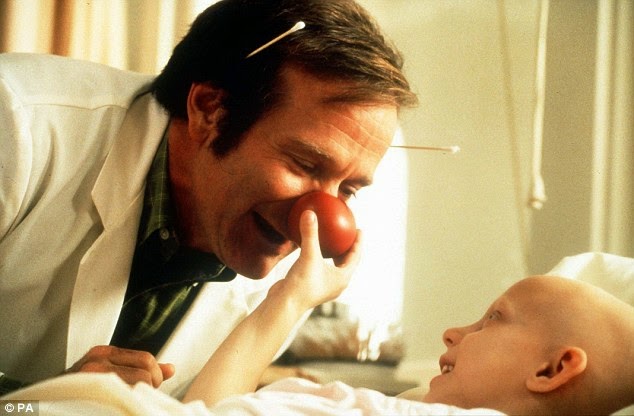
— Robin Williams as Dr. Patch Adams, Patch Adams
These words capture the core of a patient-centred approach to healthcare. Compassion, often overshadowed by efficiency, lies at the core of true healing, but in today’s healthcare, this connection is sorely tested.
Doctors vs. the Clock: Balancing Care and Reality
Doctors, driven by the noble aspiration to heal, often find themselves in a tug-of-war with the realities of their profession. Hectic schedules, extensive paperwork, and limited resources pull them in opposing directions. In India, doctors face overwhelming patient loads and must juggle medical responsibilities with other demands. This delicate balance can be exhausting, yet doctors persevere to bring compassion into their practice, one patient at a time.

Patients as Partners: Beyond Passive Healing
Healthcare isn’t just about doctors; patients are not mere recipients of treatment, but active partners in their own healing. In an ideal world, patients approach healthcare as partners, actively participating in decisions and respecting medical guidance. However, when frustrations mount—especially when recovery is slow—some patients start pointing fingers at doctors, administrators, or even God. It’s worth remembering that doctors aren’t magicians, and healing is often a journey, not a quick fix.
The Power of Words: Building Trust Through Communication
Effective communication is a powerful tool in the healthcare setting. Doctors often speak in complex medical language that can overwhelm even the most educated patients. This gap leads to misunderstandings, eroding trust. Simplifying diagnoses and involving patients in open discussions can make a significant difference. Patients should also feel encouraged to ask questions and express concerns, fostering a two-way dialogue that strengthens the doctor-patient bond and builds trust.
Healthcare’s Balancing Act: Patients, Profits, and Pocketbooks

In the grand game of healthcare, everyone—from doctors and administrators to patients—gets their turn at the financial juggling act. Doctors aren’t just managing patients; they’re managing budgets, rents, and (heaven forbid) tax forms! Private practitioners face the same financial pressures as corporate hospitals, and government-run hospitals have their budget constraints. It’s common to find a doctor in a quiet moment muttering, “If only I could prescribe financial solvency!” Meanwhile, patients often imagine healthcare as a purely charitable affair, forgetting that those fancy machines, lights, and even the occasional comforting cup of tea all have a price tag.
And then there are the administrators, tasked with doing more with less and still managing to keep the place running. Corporate or not, administrators and doctors alike must keep the lights on—sometimes by negotiating with insurance companies, slashing costs, or delicately explaining to a patient why specific treatments just can’t be done for free. Ultimately, a shared responsibility binds us all together in the healthcare experience. The more everyone plays their part—patients as informed participants, doctors as compassionate stewards, and administrators as advocates for sustainable care—the closer we get to a system that works (and balances) for everyone.
A Little Faith and a Bit of Humor: Blaming God for Outcomes
In the face of adverse outcomes, patients sometimes look for someone to blame, be it the doctors, the hospital, or even God. As doctors work tirelessly, they acknowledge that not everything is within their control—a truth that light-heartedly makes God an honorary medical team member, especially in those “miracle-required” cases. Medicine, after all, isn’t an exact science, and a touch of humour can sometimes bridge the emotional strain of complex outcomes.
Embracing a Holistic View of Health
True healing encompasses mental, emotional, and social well-being, not just the physical. The ideal system includes mental health professionals and emotional support resources, and a doctor’s care would extend beyond simply treating symptoms. Patients benefit greatly from holistic care that acknowledges the entire person, supporting a more profound recovery that resonates beyond hospital walls.
Compassion as Culture: Learning from Art and Film
Robin Williams’ portrayals remind us that empathy is crucial in medicine. If doctors are trained in empathy alongside medical science, they become healers who see the person, not just the disease. This shift requires a culture change, where healthcare includes insights from art, psychology, and literature to enrich the doctor-patient relationship and nurture a deeper connection.
Conclusion: Where Has the Thread of Innocence Got Lost?
In the race toward efficiency, profitability, and quick solutions, the innocence of pure healing has sometimes been left behind. Medicine once centered on the profound simplicity of connection—of sitting with patients, listening without a clock ticking in the background, and healing with a blend of science and soul. This thread of innocence lies in treating each patient not as a case but as a story; it’s about bringing humanity to healthcare even amidst the relentless pace of today’s world.

As we face modern challenges, we are reminded of the quiet power of holding onto compassion, humility, and faith in the human spirit. Real healing emerges not only from what we prescribe but also from the moments we share, the patience we extend, and the empathy we nurture. Reclaiming this innocence requires us all—doctors, patients, and administrators alike—to step back and reconnect with the roots of why we seek healing in the first place.
Bibliography and References
1. Albert, M., & Kondziolka, D. (2017). Healthcare Communication: Enhancing Physician-Patient Relationships. Oxford University Press.
2. Benbassat, J., & Baumal, R. (2005). Enhancing doctor-patient communication: Is it time to teach communication skills to medical students? Journal of General Internal Medicine.
3. Chochinov, H. M. (2007). Dignity and the essence of medicine: the A, B, C, and D of dignity-conserving care. BMJ, 335(7612), 184-187.
4. Das, V., & Kleinman, A. (2001). Social Suffering. University of California Press.
5. Grewal, I., & Lloyd, K. (2014). Compassionate healthcare: Rethinking priorities. The Lancet, 384, e31-e32.
6. Irwin, S. (2012). Empathy in Medicine: Transforming Patient Care through Compassion. American Journal of Medicine, 125(10), 929-932.
7. Levetown, M. (2008). The role of empathy in healthcare. Journal of Healthcare Quality, 30(1), 56-58.
8. McCarthy, J., & Gastmans, C. (2015). The role of empathy in providing compassionate care: A qualitative study of caregivers in palliative care. Journal of Advanced Nursing.
9. Shapiro, J. (2011). The Paradox of Empathy in Medicine. Academic Medicine, 86(8), 1007-1008.
10. Williams, R. Awakenings and Patch Adams [Film Dialogue].


 Heart Talks
Leave a comment