
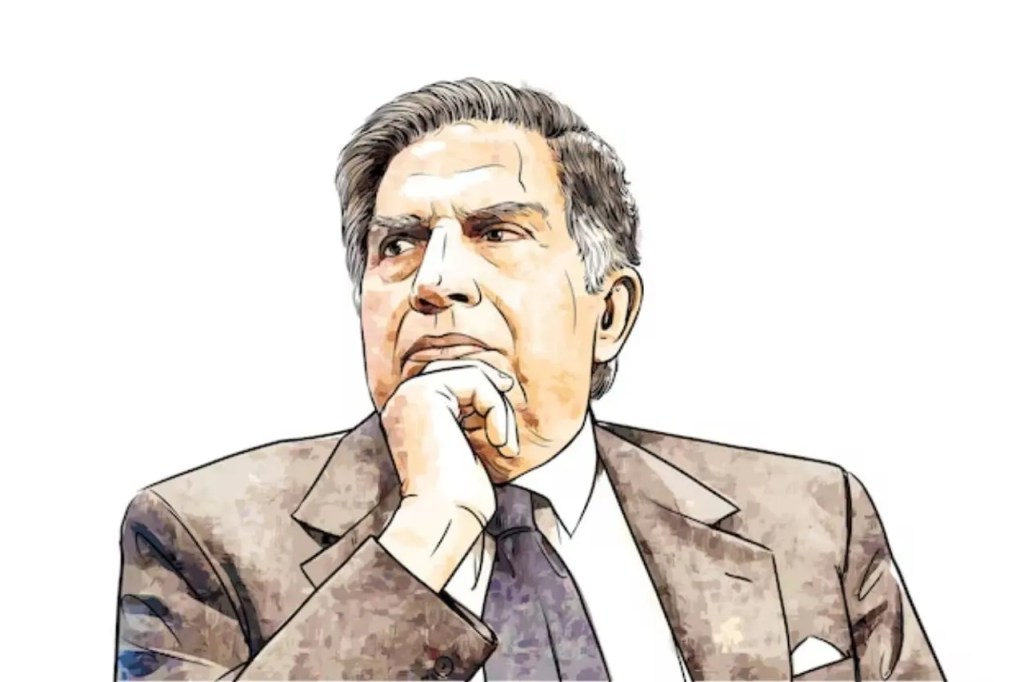
Ratan Tata: A Legacy of Ethical Leadership and Social Impact
Introduction
Recently, my sister’s son, Druvin, a curious first grader, asked a question that left me pondering: “What’s the difference between capitalism and communism?” As I tried to explain these complex ideologies, I found myself grappling with how to simplify such profound concepts for a child. This moment prompted me to reflect on the legacy of Ratan Tata, whose life beautifully illustrates the balance between profit and social responsibility. Tata’s journey exemplifies how one individual can impact society while navigating the capitalist landscape, providing a relevant context for understanding Druvin’s inquiry.
The Foundations of a Legacy
Ratan Tata took charge of the Tata Group in 1991, a time of significant economic change in India. Under his leadership, the conglomerate expanded globally, acquiring numerous international companies, including Jaguar Land Rover and Corus Steel. However, Tata’s vision extended beyond mere profits; he remained deeply committed to the principles laid down by J.R.D. Tata, emphasizing corporate responsibility. As Tata himself stated, “The challenge is to make sure that we continue to make a difference in people’s lives.” This dual focus on profitability and social impact became a hallmark of his tenure, setting a standard for responsible business practices.
A Commitment to Education and Healthcare
Tata’s most significant contributions to society lie in his unwavering commitment to education and healthcare. The Tata Group has heavily invested in institutions like the Tata Institute of Social Sciences, which focuses on social justice, and the Tata Memorial Hospital, a leading cancer treatment center. Imagine a world where every child, like Druvin, can access quality education and healthcare—this vision was central to Tata’s mission. As he once remarked, “I believe that the power of education is the key to transformation.”
Project Example: Tata Medical Center
One specific project that illustrates Tata’s impact is the Tata Medical Center in Kolkata, which provides affordable cancer care to underserved populations. The hospital exemplifies Tata’s belief that access to quality healthcare should not be a privilege but a right.
The Nano Dream
A defining moment in Tata’s career was the launch of the Tata Nano, conceived as an affordable vehicle for families. Ratan Tata reflected on a particular rainy day when he saw a family struggling on a two-wheeler, with the father attempting to shield his children from the downpour. This inspired him to create a safe, low-cost car that could provide comfort and security to families like theirs. Despite facing skepticism and criticism regarding the feasibility of such a project, Tata remained steadfast in his vision, believing that innovation could be harnessed for social good.

The Emotional Resonance
When the Nano was finally launched, he expressed immense pride, recognizing it as a fulfillment of a promise to improve the quality of life for families across India. “I wanted to give the people of India a car that was affordable and safe,” he said. This car represented more than just transportation; it symbolized hope and possibility.
Navigating Economic Challenges
During the 2008 global financial crisis, Tata’s compassionate leadership shone brightly. Rather than resorting to mass layoffs, he chose to forgo his salary and bonuses, encouraging other top executives to follow suit. This decision helped preserve jobs and reinforced the Tata Group’s reputation as a caring employer. “In times of crisis, it is our responsibility to take care of our people,” he stated. His actions illustrated the importance of putting people first, even in tough times, likening his leadership to a captain steering a ship through a storm.
Humility and Approachability
Ratan Tata’s humility was evident in his everyday actions. During a visit to one of Tata’s manufacturing plants, he surprised everyone by joining workers for lunch in the canteen. He interacted with them, listened to their concerns, and treated them with respect. Imagine if Druvin witnessed a CEO sitting down with factory workers, sharing stories and meals—that encapsulates the kind of leader Tata was. He once said, “I have always believed that the best way to connect with people is through simple gestures.”
Passion for Education
Tata’s dedication to education extended beyond institutional investments. He played a pivotal role in establishing the Tata Institute of Social Sciences and supporting numerous scholarships for students in need. One heartwarming story involves Tata personally reaching out to underprivileged students to ensure they received financial assistance for their studies. Picture a young girl filled with dreams receiving a scholarship because Ratan Tata cared enough to help—this hands-on approach underscores his belief in the transformative power of education.
Advocating for Animal Welfare
Ratan Tata’s compassion extended to animals as well. He was an outspoken advocate for animal rights and supported organizations focused on animal welfare. During the pandemic, he took proactive steps to rescue stray dogs, collaborating with local shelters to provide care and food. “Compassion for all living beings is essential,” he believed. This sense of responsibility for all living beings illustrates his broader commitment to kindness.
Empowering Women
Tata strongly advocated for women’s empowerment, supporting initiatives that promote women’s entrepreneurship and employment. A notable project involved training women in rural areas to become self-sufficient, demonstrating his commitment to gender equality. Picture a group of women learning new skills, gaining confidence, and starting their businesses—all because of Ratan Tata’s belief in their potential and ability to succeed.
Lessons from Ratan Tata’s Journey
The lessons learned from Ratan Tata’s journey are manifold. First, integrating social responsibility into business strategy is essential. Companies that prioritize their social impact alongside profitability not only enhance their reputations but also build loyal customer bases, leading to sustainable growth. This alignment demonstrates that ethical practices can yield financial returns.
Actionable Takeaways
Reflecting on Tata’s principles, readers can ask themselves how they can integrate social responsibility into their own lives or businesses. How can we create value that extends beyond profit?
Resilience and Adaptability
Another crucial lesson is the power of resilience and adaptability. Tata’s tenure was marked by economic fluctuations, yet he navigated these uncertainties with a forward-thinking mindset. His resilience serves as a blueprint for future leaders, emphasizing the importance of adaptability and proactivity in an ever-evolving business landscape.
Mentoring Young Entrepreneurs
Ratan Tata was a staunch advocate for nurturing young talent. A noteworthy story involves Kunal Bahl, co-founder of Snapdeal, who sought guidance from Tata. Inviting him to stay at his home, Tata engaged Bahl in deep discussions about entrepreneurship, innovation, and overcoming challenges. This mentorship instilled confidence in Bahl, highlighting the importance of creativity and risk-taking. Imagine a young dreamer sitting at the feet of a giant, learning to carve out their path—that encapsulates the essence of Tata’s guidance.
A Role Model Beyond Business
Ratan Tata’s influence transcends the realm of business; he is a role model for aspiring entrepreneurs and leaders alike. His story illustrates that success is not solely defined by financial metrics but by the positive change one can effect in society. By prioritizing social good, Tata demonstrated that businesses can be a force for good, shaping a better world for future generations.
Conclusion
Ratan Tata’s legacy serves as a powerful reminder that ethical business practices can thrive alongside capitalist ideals. His unwavering commitment to philanthropy, innovation, and corporate responsibility provides a guiding light for future leaders. As we navigate the complexities of modern capitalism, the lessons from Tata’s journey remind us that true success lies in the positive impact we create in society. By sharing his story with Druvin and others, we can inspire the next generation to think critically about the world and strive for a balance between profit and purpose.
Bibliography and References
Tata Group Official Website – Information on projects and initiatives undertaken by the group.
Forbes India – Articles on Ratan Tata’s leadership and philanthropic efforts.
The Economic Times – Features discussing Tata’s role in fostering young talent and entrepreneurship.
Interviews with Kunal Bahl – Insights on mentorship experiences with Ratan Tata.
Books on Tata Group History – Various publications chronicling the Tata legacy and Ratan Tata’s contributions.


 Heart Talks
Leave a comment