
The other day at the CSI Bangalore Monthly Meet, I walked into the hall with my signature rhythm. I wore a crisp white shirt with a motif so minimal it’s practically a secret. My sleeves were rolled to “relaxed professional.” My feet have earned the right to breathe. I wore New Balance sandals after years of hospital rounds.
As I stepped up to the podium, a colleague glanced at his watch and then at my feet. “Doctor, in casuals and on time today?”
I just smiled. If only he knew. This isn’t just “casual”—it’s a carefully curated archaeological dig of my past lives. This outfit is a peace treaty between three different versions of me that are still arguing in my head. To understand the sandals, you have to understand the journey.
Part 1: The BMC Playground (The Chappal Chronicles)
In my MBBS days at Bangalore Medical College, I existed in permanent “middle-class-on-the-move” mode. My uniform was a classic trilogy. The first part was faded loose pants. Then, there was a shirt so simple it had seen better decades. Finally, I wore those iconic rubber Hawai chappals.
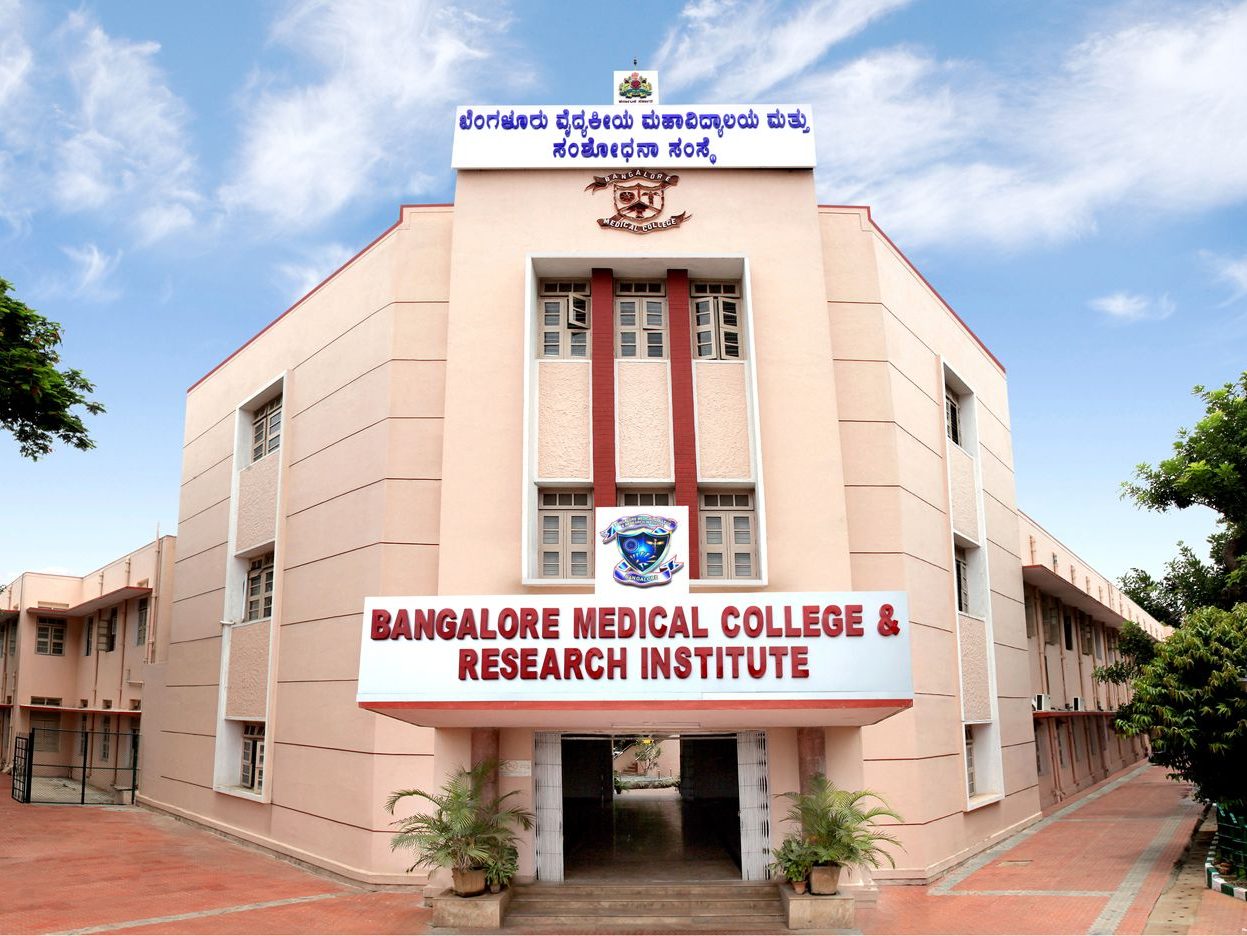
I wasn’t just a student; I was a professional sprinter. I was present at every game, whether it was at the canteen front or the back lawn. Cricket, football, or a race to the last bite Dosa—I was there. My philosophy? Full play, swalpa study. Life was a playground, and classes were… “guest appearances.”
At least until the exams loomed like a dark, thunderous cloud. Then, the ratio flipped: No play, full study. The chappals would slap rhythmically against the library floor in a panicked, caffeinated beat.
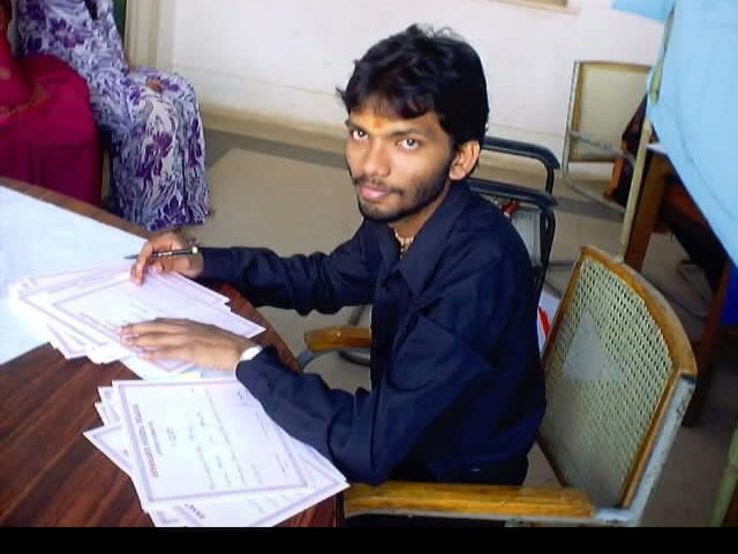
We worshipped the giants: Prof. Nagabhushan and Prof. Nagaraj. These men didn’t just walk; they loomed. Their shirts were so crisp they could cut paper. Their shoes were so polished you could check your teeth in the reflection. That was “Pure Dignity.” Then there was Prof. Chandrashekar, the minimalist king—simple attire, but a work ethic so perfect it made your head spin. He taught us that you don’t need a three-piece suit to be a master. However, you do need to be “perfect in work.“
Then came my bedside clinic with Prof. VK. She took one look at my dusty, rubber-clad feet and the hammer didn’t just drop; it shattered.
“What is this? Did you come to the clinic in this way? You can leave.”
I didn’t argue. No “Objection, Your Honor.” I walked out with a stinging face. I had a realization: Agility is fine for flip-flops. However, the hospital demands discipline.
Fast forward a few days to the bedside internal exams. Dr. VK was the examiner. This time, I went with a clean shave and shoes so polished they glowed. I was assigned a case of Systemic Sclerosis. I nailed the clinical signs, the symptoms, and the diagnosis. At the end, Madam paused and asked, “I haven’t seen you in class. Today is the first time I’m seeing you.” She didn’t even recognize me! Like a movie disguise, my polished shoes made me invisible. My shaved face was my ultimate camouflage. I received two marks less than her usual average. It was the “attendance tax,” I suppose. This cost me in the finals. However, I learned the lesson: Attire is a “Room Read.” It tells the patient, “I am here, and I am focused.”
Part 2: The PGI Mist (The Invisible Man)
Transitioning from the warmth of Bangalore to PGIMER, Chandigarh, was a literal cold shock. After a 40-hour marathon on the Karnataka Express, I landed in Old Doctors Hostel, Room B-29.
I called it the “Bomber Jet.” Why? Like a pilot in a cockpit, I was crammed into a tiny, high-pressure space. It was designed for exactly one thing: the mission. My life was dictated by the clock. Ice-cold showers at 6 AM felt like a localized glacial event. This was followed by a sprint to the wards.
The room hardly saw me during the day; it was less of a home and more of a refueling station. The bed was the only part of the room I actually visited with any regularity. I would collapse into it for a few precious hours of “rebooting” before the next sortie. It was the launchpad for the most intense years of my life.

On my first day at PGI, I dressed as the “Full Monty” doctor. My shirt was tucked in. I wore a sharp blazer. My formal shoes clicked with authority. I stepped out at 7 AM, ready to conquer the world. Suddenly, I walked headfirst into a literal wall of mist. I quickly learned that in Chandigarh’s winter, you don’t “dress for success”; you dress for survival. As the days blurred into nights, the blazer was replaced by layers of warmth. I realized the department didn’t care for a fashion show—they wanted residents who work through the grind. More importantly, I realized that while the textbooks gave us the theory, the patients were our ultimate teachers. Every case in that mist-covered hospital was a lesson no classroom ever replicates.
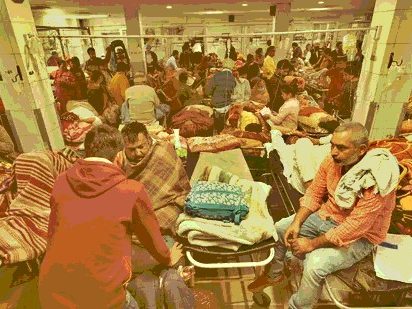
The real lesson happened in the Emergency OPD (EMOPD) chaos. Imagine a massive hall—the kingdom of triage. Rows of patients, oxygen masks everywhere, and stressed families. Distressed patient attendants on Ambu bags, trained within minutes to keep the pumping.
When the crowd got rowdy and a fight was brewing between attendants and residents, I used my survival trick. I’d “park” my stethoscope in my deep Reebok jacket pocket. Suddenly, the “Target” disappeared. I wasn’t the “Doctor” who was the focal point of their frustration. I was just another Aam Aadmi standing in the crowd. I blended into the grey mist. Once the crowd dispersed, I’d pull the stethoscope back out and resume the work. It taught me that sometimes, the most powerful attire is the one that lets you be human—the “Invisible Man” camouflage.
Part 3: Narayana Health (The Srivastava Stand-off)
Years later, at NH Whitefield, I entered my “Arjun Reddy Lite” phase. I had the “Disturbed Surgeon” aesthetic down to a science: beard on point, shirt untucked, sandals. It wasn’t quite the “savage” movie version—no breaking glass—but it was that same moody, “I’m-too-busy-saving-lives-to-groom” vibe.
One such patient was Mrs. Srivastava. She was wheelchair-bound with Rheumatoid Arthritis, but her spirit was pure steel. To her, that bearded, untucked man was the person who understood her pain.
Then, she went MIA (Missing in Action) for six months. When she returned, I happened to have a “corporate makeover” day—clean-shaven, shirt tucked, hair set like a news anchor. She stopped dead at the door.
“Mujhe Dr. Jai se milna hai! Yeh nahi!” (I want to meet Dr. Jai! Not this guy!)
She genuinely didn’t believe it was me. I hadn’t changed my knowledge, but I’d changed the “reassurance.” To her, the beard was the face of her recovery. I realized that for a patient, your look is a visual contract.
The Final Stitch: Lessons in the Mirror
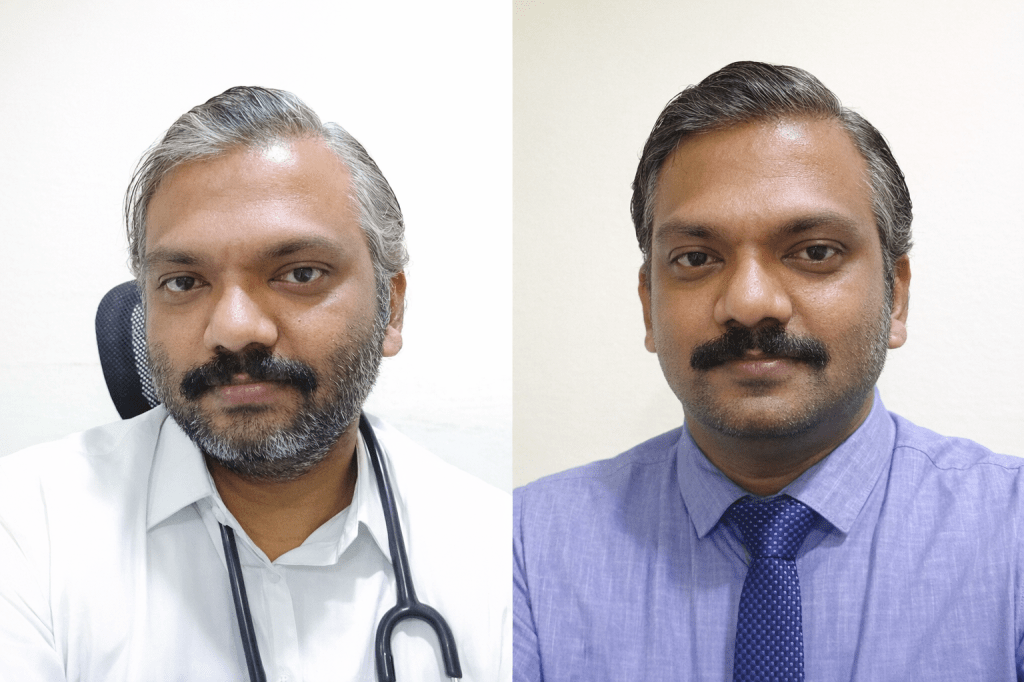
My reflection today is a map of where I’ve been. It isn’t just a uniform; it’s a composite of three lives lived across different wards and different cities.:
- The BMC Era (Dignity): Respect is earned by showing up correctly and honoring the giants who came before you.
- The PGI Era (Utility): Sometimes the work is extremely heavy. Your “uniform” becomes whatever helps you stand and survive the grind.
- The NH Era (Trust): Your appearance is a signal to your patient. It’s not about fashion; it’s about stability.
Today, I find the balance. I carry the BMC sandals for my feet. I wear the PGI rolled sleeves for the work. I put on a clean white shirt to honor my teachers.
Swalpa style irali (Let there be a little style), but keep the ego grounded. Whether you’re in “Arjun Reddy” mode or “News Anchor” mode, it doesn’t matter. As long as a patient looks at me and says, “Haan… ab sahi hai,” then I know I’ve dressed for the right occasion.
At the end of the day, you aren’t dressing for the mirror. You’re dressing for the person who is looking to you for hope.


 Heart Talks
Leave a comment